
In an age when eating out is not just about food, but the experience overall, restaurant concepts are transforming the way diners connect with their dining spaces. Diners today are after creativity, authenticity, sustainability and memorable settings that they won’t forget. If you are opening a new restaurant, or you wish to update an existing one, having a fresh and contemporary concept can make the difference in the competitive food service market. Not every new restaurant idea is a hit, far from it, but here are some that are absolutely perfect for the way people want to eat out these days.
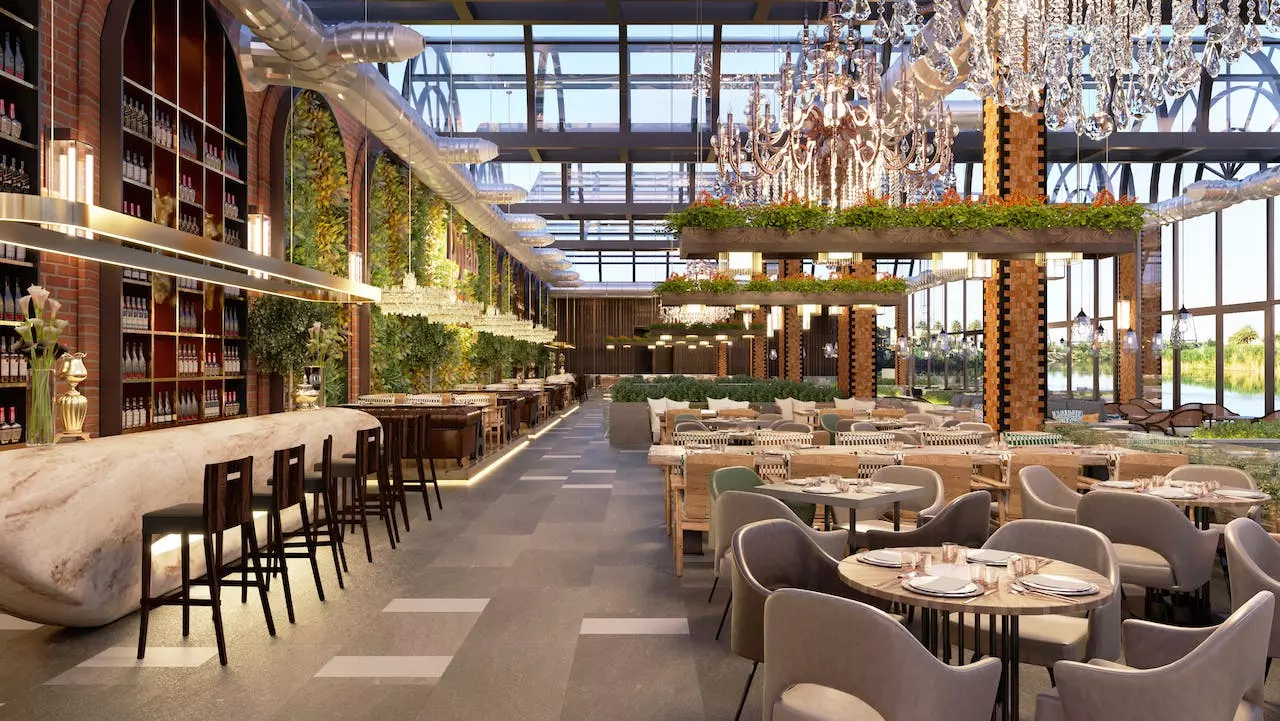
Among the most trendy contemporary ideas is the farm-to-table restaurant, which focuses on fresh products sourced locally. People appreciate a genuine approach to branding and the concept is really about trust and quality. Farm-to-table restaurants tend to emphasize seasonal menus and relationships with local purveyors, as well as eco-conscious cooking methods. The pyramid’s interior space usually istrim with lots of natural wood, greenery, and earthy colors that lend it an organic warmth. This is an idea for health-conscious eaters, as well as the people who make food traceable.
Another new trend is the ghost kitchen, also called cloud, virtual or dark kitchens. These are pick-up-only and deliver-only restaurants, without a dining room. With the proliferation of food delivery apps town, ghost kitchens have become trendy ways to lower overhead while widening reach. This model provides entrepreneurs with the option to try out several cuisines or brands in one kitchen. It’s perfect for rapid-paced urban neighbourhoods where convenience and on-demand high-quality food is a must.
For those who prefer a more interactive experience, the chef’s table or open-kitchen idea brings excitement and transparency to eating. The customers enjoy watching chefs cooking the food right in front of their eyes, making it as if you are entertained by the sights. This is a theory based on trust, presentation of the craft and to enhance the dining experience. The vibe is more intimate and interactive — think fine dining, fusion spots and elevated culinary experiences that feature creativity and technique.
The booming health craze facilitated an interest in wellness restaurants, which cater for those obsessed with such things as healthy dishes, plant-based meals, cold-pressed juices and superfood bowls. Vegetarian and vegan restaurants are no longer a fringe thing; they’ve gone mainstream, appealing to the health-conscious as well as anyone else looking for environmentally sound food options. These steakhouses are usually decorated with light, modern touches and cool colours to create a peaceful atmosphere for dining. “Healthy, clean ingredients,” “options to go gluten-free” and ”customized bowls” are all equally popular reasons.
Another fascinating theme is the experiential dining restaurant, where we tell a story rather than just offer food. These restaurants offer more than just a meal, be it a theme, some technology, or performance. Examples here are dining in the dark, projection mapping restaurants, or locations where servers perform some kind of theatrical performance. Dinners become experiences and customers are invited to be part of the story. This ideaworks great for customers who are looking for the new and memorable experience.
Sustainability-related ideas are also on the rise. Eco-conscious or zero-waste restaurants strive to contribute as little waste as possible – they do so by adding composting bins, using biodegradable packaging, recycling whats at their disposal and implementing energy-efficient mechanisms. The menus could based on seasonal dishes as well as those with less meat; “upcycled” recipes that reimagine leftovers would appear, too. This is a compelling story for modern diners who care about eating and supporting sustainable businesses that respect the planet.
For entrepreneurs desiring an adaptive, trend-based plan food hall concepts are great models. Food halls house several vendors in one location, where customers can choose from a variety of cuisines and dining styles. They are fun, social places that are perfect for eating out. Most food halls are rooted in the community and become an avenue where everyone can come together. This idea appeals to diverse taste groups and motivates consumers to experience different flavors.
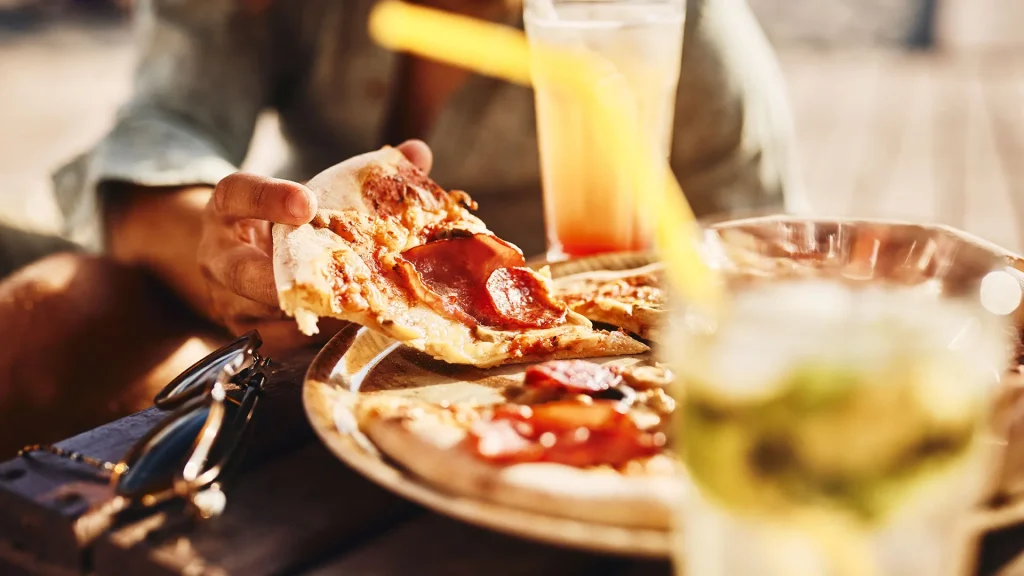
The fast-casual gourmet concept is exploding —quality foods without full service. Diners like the fresh, high quality food served fast and cheap. It’s a notion that resonates with today’s consumers, who care for high-quality products but also value convenience. Think gourmet burgers, craft salads, artisanal pizza and signature bowls (to name a few) — and all made quickly.
Then there is the cultural fusion restaurant, also a modern idea that ignites the mind. When flavors, ingredients and skills from one culture are mixed with another set of culinary practices, fusion restaurants can offer unique new dishes that adventurous diners will crave. These restaurants usually feature striking and modern decor to match their boldly innovative cuisine.
Today’s restaurant trends are all about concept, quality, sustainability and customer experience. Whether you’re a fan of the interactive theatrics of experiential dining, the streamlined nature of ghost kitchens, the authenticity of farm-to-table or longevity made possible by fast-casual gourmet concepts – there’s probably a concept out there that is right for your brand and for building customer loyalty. With careful planning and a sense of purpose, your next restaurant project can stand out in the rapidly changing dining landscape.